
Buy now, pay later, and the carts it saves
Why splitting a payment into four keeps a sale, and how to show it before the checkout.
Baymard asked people why they walked away from a checkout. Ten percent said there weren’t enough ways to pay. That reason sits quietly next to the louder ones, surprise shipping, forced accounts, and because it’s quiet it tends to get fixed last. It shouldn’t. Giving a shopper the payment they expected is one of the cheaper carts to save.
Why splitting a price holds the sale
The friction is the number itself. Two hundred euros in one go feels like a decision. Forty-nine feels like a yes. Buy Now Pay Later splits a purchase into equal, interest-free installments, usually four: one part now, three over the following weeks.
Nothing about the product changed. Only how the price is framed. For anything over about a hundred euros, that framing is often the difference between a saved cart and a closed tab. It won’t rescue a slow site or a shipping surprise. Where the price is the sticking point, it moves the number.
Show it before the checkout, not after
The common mistake is treating it as a checkout feature. By the time someone reaches checkout they’ve already decided the price is fine, or they’ve already left. The split has to land earlier, on the page where the doubt starts.
Put it under the price on the product page. Put it in the cart. Then show it again at checkout. Same amount, three chances to see the smaller one.
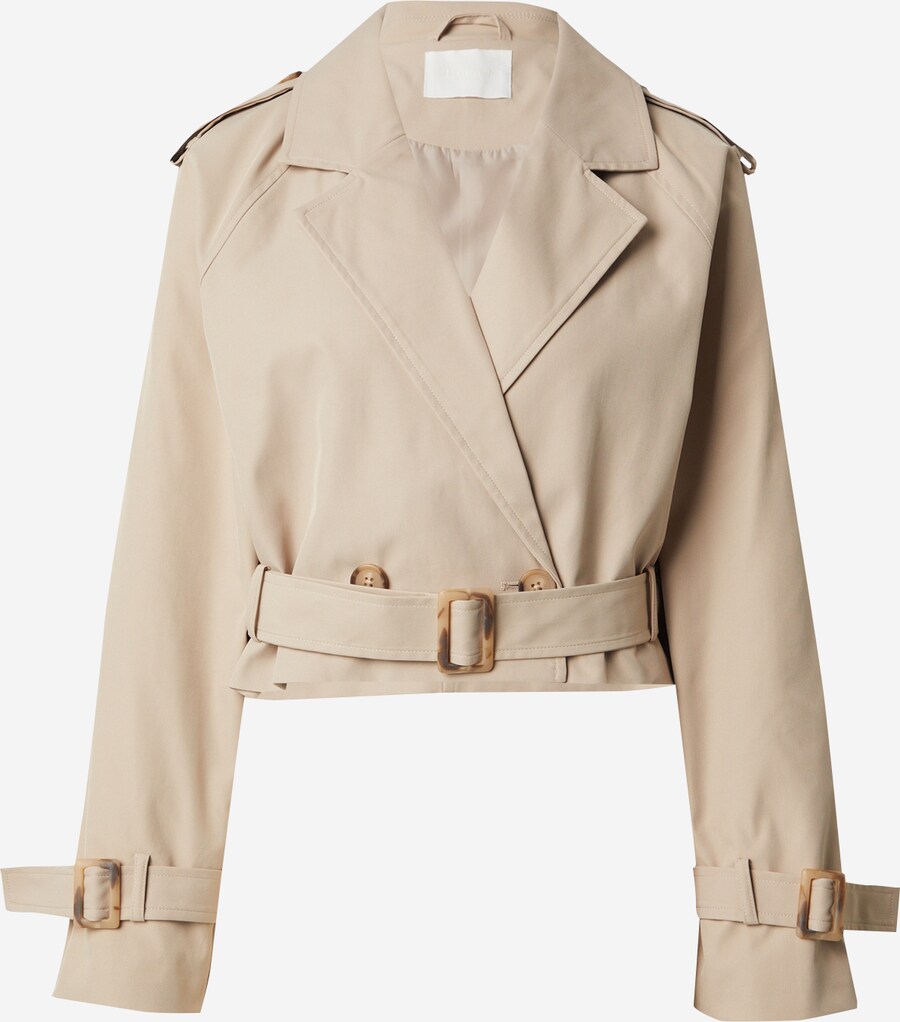
A €196.00 coat, shown as four payments of €49.00
This is also where the copilot earns its place. When a customer asks can I pay in installments? at eleven at night, Linra answers with the exact split for what’s in their cart and points them at the provider, so the sale doesn’t wait until morning to happen. Klarna reports one merchant, Ninepine, saw a 25% increase in revenue per visitor after adding its on-page messaging. That’s Klarna’s own figure, so read it as a ceiling rather than a promise. The direction is the honest part: the earlier the split shows, the more it does.
The providers, in a line each
- Klarna. The widest reach, Pay in 4 or pay in 30 days, strong across Europe with good on-page messaging.
- Afterpay (part of Block). Pay in 4, big in fashion and beauty. Trades as Clearpay in the UK and parts of Europe.
- Affirm. Built for larger baskets and longer terms, some of which carry interest. Mostly a US option.
- PayPal Pay in 4. Rides the PayPal account a lot of your customers already have, so there’s little new for them to set up.
Pick by your basket size and where your customers are. Plenty of stores run two, so more people meet a plan they already recognize.
What it costs you
It isn’t free to the merchant. The provider takes a cut of each order, usually somewhere between 3 and 8 percent plus a small fixed fee, more than a card costs you. In return you get the full amount up front and the provider carries the risk of the installments.
So the math is plain. The fee is worth it only when the extra conversion and the larger baskets more than cover it. On thin margins and low prices they often don’t. On considered purchases over a hundred euros they usually do.
Measure the right four things
Watch these before and after you turn it on, ideally the same weeks a year apart so the season doesn’t fool you:
- Cart abandonment rate.
- Conversion rate, split by whether the shopper used a plan.
- Average order value.
- Payment method mix, so you can see what BNPL pulled from and what it added.
Give it a month of real traffic before you judge it. If you can, show the split to half your visitors and compare the two halves rather than guessing.
| Number | Value | Source |
|---|---|---|
| Average documented cart abandonment | 70.22% | Baymard Institute, across 50 studies |
| Abandon at checkout for want of payment methods | 10% | Baymard Institute |
| Revenue per visitor after on-page messaging, one merchant | +25% | Klarna, Ninepine case study |
| Typical BNPL merchant fee | 3% to 8% | Provider fee ranges, plus a fixed fee |
Common questions
Does it actually reduce abandonment?
It reduces one specific reason for it: payment friction on higher-priced items. It won’t fix a slow site or a shipping surprise. Where price is the reason people leave, it moves the number.
Which provider should I use?
The one your customers already know, at your basket size. Klarna for reach, Afterpay for fashion, Affirm for bigger tickets, PayPal Pay in 4 for the account they already have. Running two is a common answer.
Is it worth the fee?
Only if the lift covers it. Over a hundred euros and in considered categories it usually does. On thin margins and low prices, run the numbers before you turn it on.
Buy Now Pay Later doesn’t make anyone want your product more. It just keeps the price from being the reason they close the tab. Show the split early, on the page where the doubt starts, and let the customer see the small number before they talk themselves out of the sale.